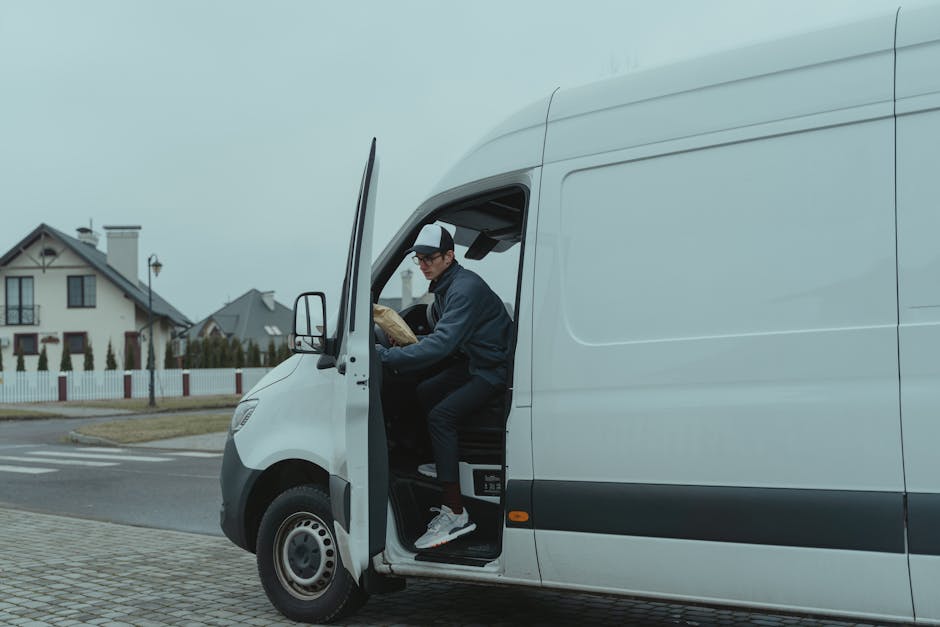
Uxbridge Station last mile van removals for commuters
If you have ever stepped off a packed train at Uxbridge Station with a suitcase, a few boxes, or a flat-pack disaster waiting in the wings, you already know the problem. The final stretch is where a move can feel oddly heavy. That is exactly where Uxbridge Station last mile van removals for commuters make sense: a flexible way to bridge the gap between the station and your home, office, student room, or storage unit without turning the whole day into a wrestling match with luggage.
This guide explains how it works, who it helps, what to expect, and how to avoid the usual headaches. We will also look at practical choices, local considerations around Uxbridge, and a few common sense tips that can save you time and stress. Truth be told, the last mile is often the bit people underestimate. It should be simple. Sometimes it isn't.
Table of Contents
- Why it matters
- How it works
- Key benefits and practical advantages
- Who this is for and when it makes sense
- Step-by-step guidance
- Expert tips for better results
- Common mistakes to avoid
- Tools, resources and recommendations
- Law, compliance, standards, or best practice
- Options, methods, or comparison table
- Case study or real-world example
- Practical checklist
- Conclusion
- Frequently asked questions
Why Uxbridge Station last mile van removals for commuters Matters
The phrase "last mile" sounds a bit corporate, but the idea is simple. It is the final part of the journey, usually from the station to the place where your items actually need to end up. In practical terms, that might mean moving from Uxbridge Station to a nearby flat, a student room, a shared house, an office, or storage. For commuters, the issue is not the whole move. It is the awkward bit that follows the train journey.
That final stretch matters because public transport is not always built for boxes, fragile items, awkward furniture, or a pile of shopping bags that turned into an accidental removal. A van removes the drag from the process. You get a direct transfer, less lifting, and far less faff. And in a busy place like Uxbridge, that can be the difference between a tidy arrival and a day that runs away from you.
There is also a timing angle. Many commuters are working around train arrival times, office hours, building access windows, or a landlord's narrow move-in slot. A van service can fit into a very specific window, which is useful if you are trying to keep a move discreet, quick, and reasonably calm. Not glamorous, no, but very useful.
For anyone juggling work, travel, and a move at the same time, the appeal is obvious: less waiting, less carrying, fewer changeovers, fewer chances to lose something under a seat or on a platform. You notice the difference most when it starts raining and you're still outside with a lamp, a plant, and a box marked "misc."
How Uxbridge Station last mile van removals for commuters Works
The process is usually straightforward. You arrange for a van and driver to meet you near the station or at a nearby pick-up point, then the items are loaded and taken directly to the destination. Depending on the service, the driver may help with loading, unloading, and basic handling. Some jobs are very small and quick; others need more time, more care, or a larger vehicle.
In many cases, commuters use this kind of service in one of four ways:
- moving luggage from the station to a home or hotel
- shifting boxes from a station pickup to a student property
- transferring work equipment or stock to an office or storage unit
- moving a few pieces of furniture that are too awkward for a cab but too small for a full removal team
Good planning matters. If the van is arriving at a station, you will usually want to agree the meeting point clearly. Uxbridge Station can be busy at peak times, so exact directions, clear contact details, and realistic timing help a lot. A five-minute delay at the station often becomes a twenty-minute delay once everyone starts phoning each other and wandering around looking for a white van that is somehow invisible. Happens all the time.
Most last-mile van removals work best when the customer has already packed items sensibly. The driver can help with heavy lifting, but they are not there to re-pack a messy pile of loose belongings. Ideally, everything is boxed, labelled where needed, and ready to go. If you are moving something delicate, say so before the van turns up. That one small message can prevent a lot of groaning later.
If the route involves multiple stops, tight access, or heavy items, it is worth discussing it in advance. Not every journey is the same. A simple station-to-flat delivery is very different from collecting from the station, stopping at storage, and then dropping at a third-floor apartment with no lift. To be fair, that sort of detail is exactly what makes an ordinary move either smooth or mildly chaotic.
Key Benefits and Practical Advantages
The biggest benefit is convenience, but there is more to it than that.
- Less physical effort: You avoid dragging heavy bags across pavements, through ticket barriers, or onto crowded buses.
- Better time control: A pre-booked van can fit around your train arrival or a building access slot.
- Safer handling: Boxes, electronics, and furniture are usually more secure in a van than on multiple public transport legs.
- More flexible than a full removals crew: If you do not need a large team or a huge truck, a smaller van can be a practical middle ground.
- Useful for short-distance moves: Local last-mile jobs often do not justify overcomplicated logistics.
There is also a psychological benefit. Moves feel easier when the end point is clear. Step off the train, get your items loaded, arrive at the destination, done. No guesswork, no standing on a platform wondering whether you can physically carry the rest on your own. That matters more than people admit.
For commuters in particular, the service can protect your working day too. If you are arriving in Uxbridge after work and need to move a few essentials before heading home, a van service gives you a neat handover. You do not waste an evening making multiple journeys. You just get on with your life. Lovely idea, really.
Who This Is For and When It Makes Sense
This kind of service is not only for full house moves. In fact, it is often most valuable for people with partial loads or time-sensitive transport needs.
It makes sense if you are:
- a commuter bringing items home from another location
- a student moving between term-time accommodation and storage
- a renter with a small move-in or move-out load
- an office worker transporting equipment, files, or supplies
- someone collecting furniture bought second-hand and needing local delivery
- a traveller arriving by rail with bulky luggage and no easy car access
It is especially useful when public transport is awkward or when parking near the destination is limited. Uxbridge has a mix of busy roads, residential streets, retail areas, and commuter traffic, so "I'll just wing it" is not always the best plan. Sometimes it works. Often it doesn't.
For very small loads, a man and van arrangement can be ideal. For larger domestic jobs, a more structured removals service may be better. The sweet spot is usually that middle zone: too much for one person on foot, too little for a full-scale move with a large truck. That's the zone where last-mile van removals really earn their keep.
If you are comparing options, you may also want to look at broader removal services or a more focused man and van option, depending on how much help you need.
Step-by-Step Guidance
If you want a smooth job, do not leave the last mile to chance. A simple sequence helps.
- List what needs moving. Write down the number of boxes, bags, and any furniture or equipment. A rough list is better than guessing.
- Measure the awkward bits. Tall wardrobes, desks, monitors, suitcases with odd dimensions, and bikes all matter more than people think.
- Check access at both ends. Note stairs, lifts, narrow entrances, loading restrictions, and parking space. This is where delays hide.
- Choose the right vehicle size. A small van may be enough for boxes and luggage. A larger van is better if you have furniture or mixed loads.
- Book a realistic time window. Allow for station footfall, platform exits, and any building access codes or concierge handover.
- Pack for travel, not just storage. Use sturdy boxes, tape them well, and keep essentials separate.
- Label fragile items clearly. "Fragile" is useful. "This side up" is useful. A mystery box is not.
- Stay reachable on the day. Keep your phone charged and on you, not buried under a scarf and a coffee cup.
- Inspect before and after. A quick look over the load helps you spot missing items or damage early.
One useful habit: group things by room or purpose before the van arrives. It saves time when unloading and stops that slightly annoying moment where boxes from the kitchen and bedroom end up in one pile. No one enjoys sorting that out later.
If packing feels like the weak link, a bit of support can help. Some customers pair van transport with packing and unpacking services so the whole handover is quicker and less stressful.
Expert Tips for Better Results
Here is where the small details pay off. Most removal problems are not dramatic. They are tiny planning mistakes that add up.
First, build in slack. Even a local station pickup can take longer than expected if the station is busy or if someone needs to find the right entrance. A ten-minute buffer can feel very generous on paper and absolutely necessary on the ground.
Second, think in terms of handling, not just distance. A two-mile journey sounds simple, but if it involves stairs, tight hallways, or fragile furniture, the real challenge is handling. That is why clear information matters at booking stage.
Third, keep essentials with you. Passport, keys, laptop, medication, chargers, and valuables should stay with the person, not in the van. This is basic, but it gets forgotten in the rush.
Fourth, be honest about the load. Understating the amount of stuff is tempting. It also leads to the wrong vehicle and a second trip. Not the end of the world, but not ideal either.
Fifth, use daylight where possible. It sounds obvious, but if you have a choice, moving during daylight makes loading and unloading easier and safer. Late evening can be fine, but visibility drops and things take a little longer. You notice the difference straight away.
If you need a broader transport plan, a matched vehicle from a moving van or removal van page may be more suitable than improvising with a smaller option. Sometimes the bigger van is the smarter choice. Annoyingly practical, but there it is.
Common Mistakes to Avoid
The usual mistakes are not exotic. They are the everyday ones people make when they are tired, in a hurry, or trying to save a few minutes.
- Leaving the booking too late: Last-minute arrangements can be fine, but availability is not guaranteed.
- Not sharing access details: If the driver does not know about stairs, gated entry, or parking limits, the job may slow down.
- Packing weak boxes: Overfilled boxes split. It's almost a law of nature.
- Assuming the train and van times will magically line up: They rarely do unless you plan them properly.
- Forgetting item protection: Blankets, wrapping, and straps are simple but valuable.
- Not checking building rules: Some blocks have delivery time windows or restrictions on where vehicles can stop.
Another common slip is not considering the destination itself. A ground-floor office with easy loading is one thing. A top-floor flat with tight stairs is something else entirely. The route may be short, but the handling burden can be higher. That is why a short conversation before the job usually saves a lot of friction later.
And let's face it, nobody wants to be the person holding up a loading bay because they forgot there was no parking within a sensible distance. A bit embarrassing. Easily avoided.
Tools, Resources and Recommendations
You do not need fancy kit for a small move, but the right basics make a difference.
- Strong boxes: Use uniform box sizes where possible so stacking is easier.
- Marker pens and labels: Simple, but very useful for identifying rooms and fragile items.
- Packing tape: Good tape saves boxes from splitting at the worst possible moment.
- Blankets and wraps: Helpful for furniture, screens, and anything with corners.
- Straps and tie-downs: These help keep loads stable during the journey.
- Phone charger or power bank: Useful if you are coordinating arrival details on the move.
In a broader sense, useful resources include pricing pages, service pages, and policy pages that explain what is covered and what is not. For example, you can review pricing and quotes to understand how jobs are estimated, and insurance and safety to see how risk and handling are approached. That kind of clarity matters. It saves awkward questions later.
If sustainability matters to you, it is also worth considering whether items can be reused, donated, or recycled rather than just thrown away. A sensible approach to recycling and sustainability can keep a move tidier and a bit less wasteful. Not every move needs to create a mountain of cardboard and regret.
Law, Compliance, Standards, or Best Practice
For most commuters, the legal and compliance side is not complicated, but it still matters. Removal work should be carried out safely, with appropriate vehicle use, proper loading practices, and reasonable care for people and property. If a service is moving items on public roads, it should also operate in line with normal transport and safety expectations.
From a customer point of view, the practical best practices are simple:
- make sure the service is insured for the type of work being carried out
- share accurate information about access, stairs, and item size
- avoid overloading boxes or the vehicle
- keep walkways clear during loading and unloading
- follow any building or parking rules that apply at the destination
If you are moving items that are valuable, heavy, sharp, or unusually delicate, say so clearly. A good operator will want that information. It is not fussiness; it is risk management. The point is to prevent damage and make the move orderly.
You may also want to read operational pages such as health and safety policy and terms and conditions so you know how responsibility, timing, and service scope are handled. That kind of housekeeping is never thrilling, but it is useful. Very useful, actually.
Options, Methods, or Comparison Table
Different jobs call for different approaches. If you are choosing between a few transport methods, this comparison should help.
| Option | Best for | Strengths | Limitations |
|---|---|---|---|
| Taxi or ride-hail | Very small bags or one person with light luggage | Quick, simple, easy to book | Poor for bulky items, awkward shapes, or multiple boxes |
| Public transport | Minimal luggage and flexible travellers | Low cost, convenient if travelling anyway | Hard with heavy, fragile, or numerous items |
| Man and van | Small to medium local moves | Flexible, practical, more handling help | Needs planning for access and timing |
| Full removals team | Whole-home moves or larger load volumes | More manpower, better for complex jobs | May be more than you need for a last-mile transfer |
For commuters around Uxbridge, the most efficient option is often a compact van-based service, especially when the load is modest and the destination is close. If you are handling office items, larger furniture, or multiple stops, the planning becomes more important. A method that looks cheaper at first can end up costing more if it means extra trips or avoidable delays.
If you are comparing service styles, pages like man with a van, removals, and removal company can help frame the choice in plain language. It is usually clearer once you match the service to the load, rather than the other way round.
Case Study or Real-World Example
Picture a commuter arriving at Uxbridge Station on a Friday evening with two suitcases, three boxes of household items, a lamp, and a chair bought from a local seller. None of it is individually huge, but together it is awkward. Carrying it all onto public transport would be annoying at best. Slightly chaotic at worst.
Instead, the items are collected near the station in a small van, loaded carefully, and taken directly to a nearby flat. The journey itself is short. The real value is in the handover: no juggling boxes on the pavement, no trying to keep the chair balanced on a shoulder, no second trip because one bag could not be carried safely the first time.
What made the job smooth was not luck. It was the preparation. The customer had labelled the boxes, confirmed the exact meeting point, and shared that the destination had a narrow stairwell. The driver arrived with the right vehicle size and sensible expectations. Simple. Effective. The whole thing was done before the evening really got going.
That is the pattern you want to copy. Local move, clear info, right vehicle, realistic timing. Nothing fancy. Just practical.
Practical Checklist
Use this checklist before the van arrives.
- Confirm the pickup point near Uxbridge Station
- Share your phone number and be available during arrival
- Count boxes, bags, and furniture pieces
- Check whether the destination has stairs, a lift, or parking restrictions
- Pack fragile items securely and label them clearly
- Keep valuables, documents, and essentials with you
- Make sure the route and timing fit your train arrival or building access window
- Ask about insurance, handling, and what help is included
- Prepare cashless payment details if needed
- Have a backup plan in case your train is delayed
Quick expert summary: if you know the load, the access, and the timing, last mile van removals become simple. If any one of those is unclear, tell the provider early. That one habit saves a surprising amount of stress.
Get a free quote today and see how much you can save.
Conclusion
Uxbridge Station last mile van removals for commuters are really about making the final part of a move feel manageable. You are not trying to solve a giant relocation problem. You are trying to get from station to destination without wasting energy, time, or patience. And honestly, that is a very reasonable goal.
When the load is small to medium, the route is local, and the timing matters, a van-based last-mile service can be the sensible middle ground. It gives you flexibility without the overhead of a full-scale move. It also removes the awkwardness of carrying too much, too far, at the wrong time of day. The whole point is to make the day easier. Simple as that.
If you plan well, communicate clearly, and choose a vehicle that suits the job, the move tends to go quietly in the background, which is exactly how good transport should feel. Steady, practical, done. And then you can get on with your evening, which is usually the whole idea anyway.
Frequently Asked Questions
What is a last mile van removal for commuters?
It is a short-distance transport service that moves your items from the station to your final destination, such as a flat, office, student room, or storage unit. It is especially useful when public transport is not practical for boxes or bulky items.
Is Uxbridge Station a good place for this type of service?
Yes, because it is a busy transport hub with commuters, local residents, and visitors who often need a simple transfer after arriving by train. The key is arranging a clear meeting point and allowing a bit of time for station footfall.
How much luggage or furniture can a van usually take?
That depends on the vehicle size and the amount of space your load needs. Small vans suit boxes, bags, and a few lightweight items. Larger loads, or awkward furniture, may need a bigger van. It is always better to describe the load properly than to guess.
Can I book a van just for a few boxes?
Yes, and that is one of the most common uses. If you have only a few boxes but they are too heavy or awkward to carry yourself, a van can still make perfect sense. The value is in convenience, not just volume.
Do I need to pack everything before the van arrives?
Usually, yes. Boxes should be sealed, labelled if needed, and ready to load. If you need help with packing, some services can assist, but it is best to confirm that before booking. Loose items slow everything down.
What should I tell the removal provider before pickup?
Share the number of items, the size of anything bulky, the pickup point, access details, parking limitations, and whether there are stairs or lifts at the destination. That information helps the driver bring the right vehicle and plan the job properly.
Is this better than using a taxi?
For small bags only, a taxi may be fine. For boxes, furniture, or multiple items, a van is usually safer and more practical. A taxi can become awkward very quickly once the load stops being simple.
How early should I book a last mile van service?
The earlier the better, especially during busy periods, weekends, or move-in seasons. That said, short-notice jobs can sometimes be arranged if availability allows. If your timing is tight, explain that clearly when you enquire.
Are my items insured during the move?
That depends on the provider and the specific service terms. You should always check insurance and safety information before booking so you understand what is covered. Do not assume every job has the same level of protection.
Can the van meet me directly at the station?
Often yes, but exact meeting arrangements depend on station access, traffic, and local restrictions. In some cases, a nearby pickup point may be more practical. Clear instructions help avoid confusion on the day.
What if my train is delayed?
Tell the provider as soon as you know. A short delay can usually be managed if everyone stays in contact. The real problem is silence. A quick update gives the driver a chance to adjust the schedule.
Is this service useful for office moves too?
Yes, especially for small office items, monitors, chairs, archive boxes, or stock transfers. If the move is larger or more structured, a broader commercial removals service may be more suitable. It depends on the size and complexity of the job.
What is the biggest mistake commuters make with last mile moves?
The most common mistake is underestimating how awkward the items will be once they leave the train. A bag that looks manageable at home can feel much heavier after a commute, a platform change, and a walk through the station. Planning for that reality makes all the difference.
Where can I learn more about the company before booking?
You can review the company's about us page, along with its policies and service information, to get a clearer sense of how it works. It is always sensible to check the basics before you book. That little bit of homework pays off.